🌍 Introduction
Travel opens doors to cultures, faith, and stories that last a lifetime. This journey took us from Lucknow to China and Vietnam, and finally back home. From wholesale markets and bullet trains to mosques, tunnels, and street food — here’s the detailed diary of our unforgettable trip.
🕌 Departure from Lucknow via Singapore
Our journey began in Lucknow, where Imran (my travel partner) and I boarded a Scoot flight bound for Guangzhou. The route took us via Changi International Airport, Singapore.
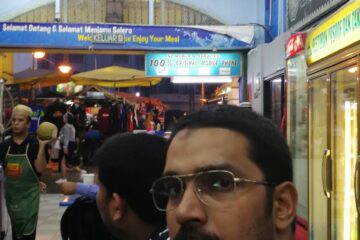
At Changi, even in the middle of a short layover, we couldn’t resist grabbing some snacks. Sitting in the brightly lit food court, surrounded by travelers from across the world, it felt like the journey had already begun — not just in miles, but in experiences. The airport itself was like a mini city, spotless, efficient, and buzzing with life.

🇨🇳 Arrival in Guangzhou, China
When we landed in Guangzhou, the winter air greeted us sharply. Without wasting much time, we made our way to Shenzhen, the electronic capital of the world.
Shenzhen – Huaqiangbei Market
Stepping into Shenzhen’s Huaqiangbei Street was like diving into a living museum of technology. Shop after shop lit up with gadgets — glowing keyboards, futuristic gaming headsets, quirky earphones in every imaginable design, and funky phone cases shaped like donuts, monsters, and unicorns.
Every corner of Huaqiangbei had something new to surprise us. One shopkeeper even handed me a business card, a small memento that later brought back a flood of memories.


After hours of exploring, our stomachs reminded us it was time to eat. Wandering into a quieter bylane, we discovered a small halal restaurant tucked away from the chaos. The smell of sizzling kebabs welcomed us in. We ordered skewers, crispy fries, fresh salad, and Coke with straws — simple, familiar food that felt like comfort in a foreign land.

✈️ Flight to Yiwu – Halal Surprise
From Shenzhen, we boarded a flight to Yiwu. Mid-air, we were pleasantly surprised when the in-flight meal was served with a green sticker marked Halal. It may have been a small detail, but for us, it meant a lot — a thoughtful touch that instantly made the flight memorable.

🏙️ Yiwu – The Wholesale Capital
Arriving in Yiwu, we quickly realized why it’s called the world’s largest wholesale market. Imagine walking into a marketplace so vast that if you spend just a minute at each stall, it would take you a year to see everything. That’s Yiwu.
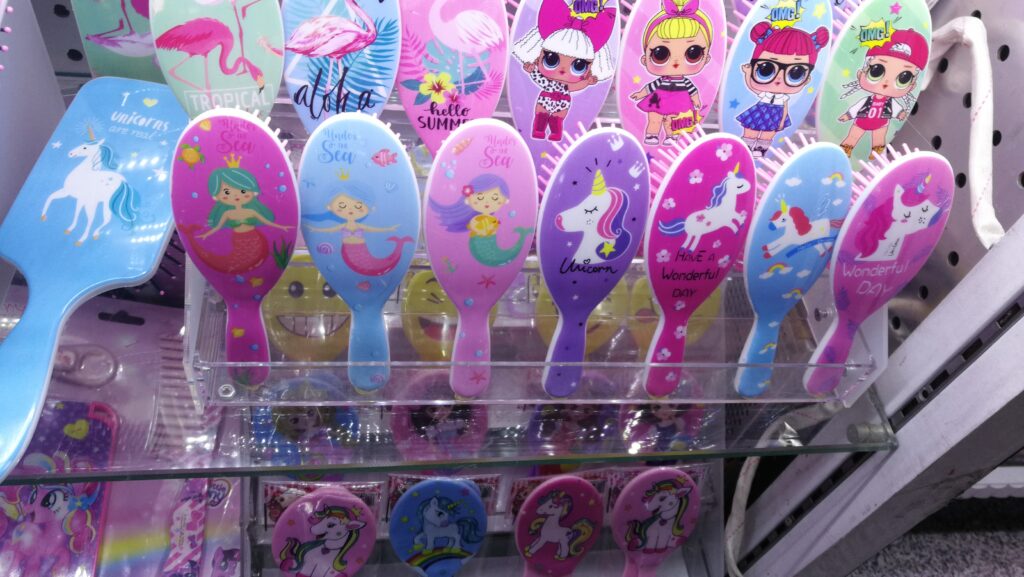
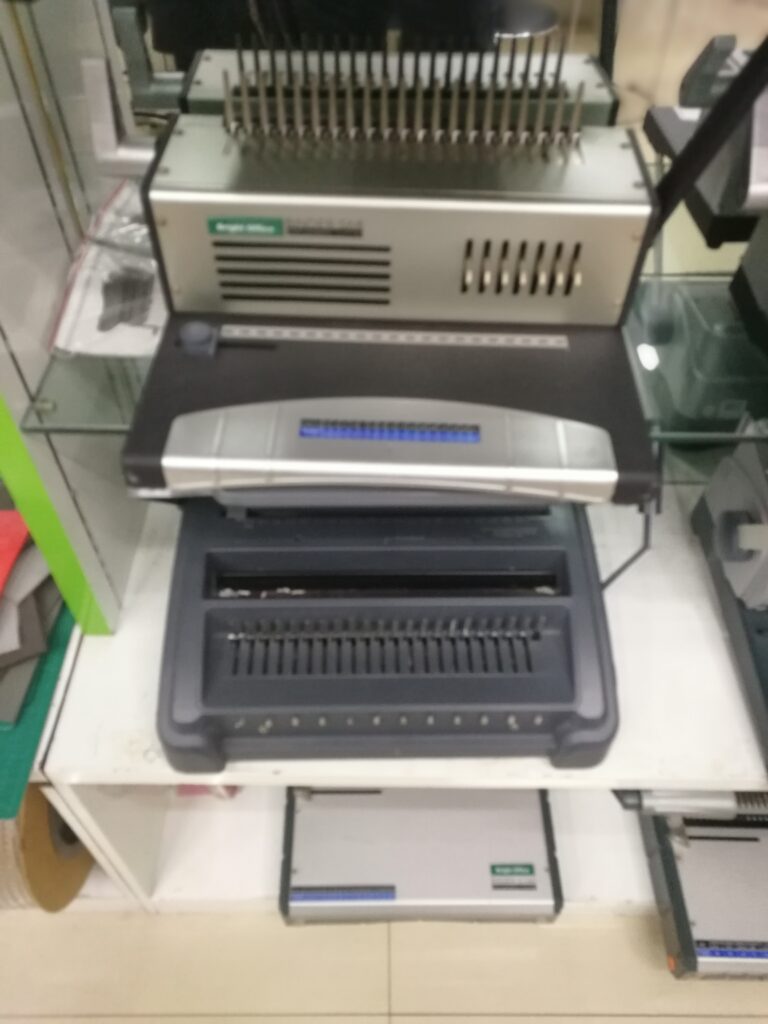
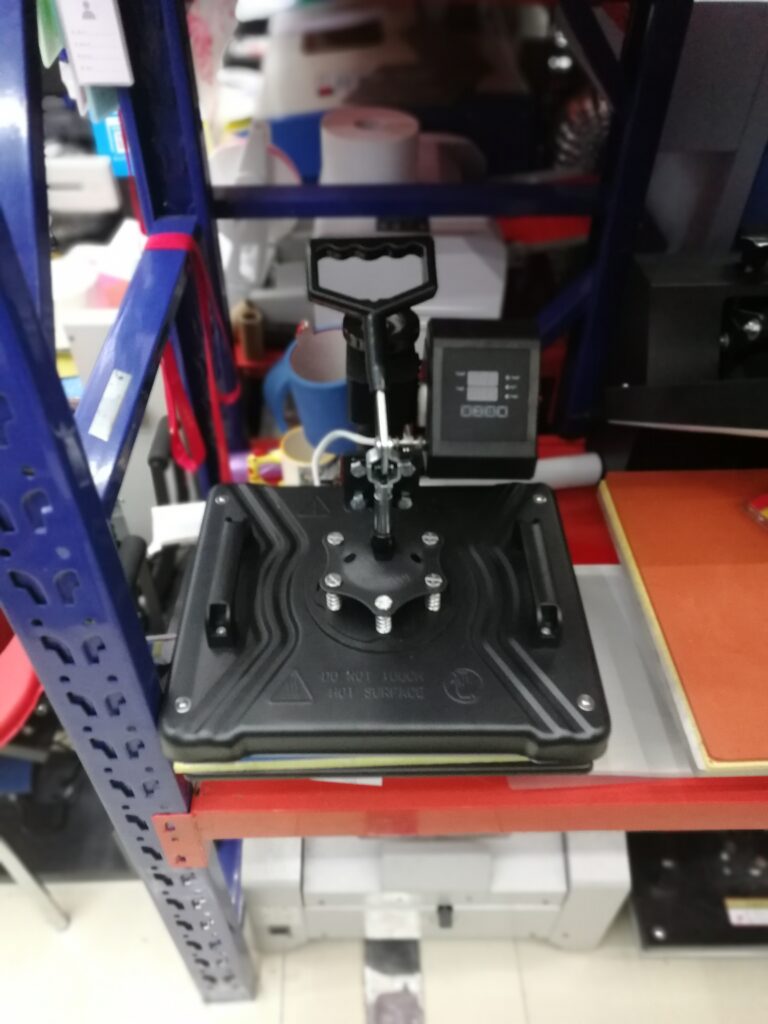
We spent days hunting through stalls, shortlisting items, and placing orders with dozens of vendors. Toys, stationery, machines, household goods — Yiwu had it all. From Avengers-themed toy cars to pastel-colored brushes with unicorn designs, every aisle was a treasure hunt.



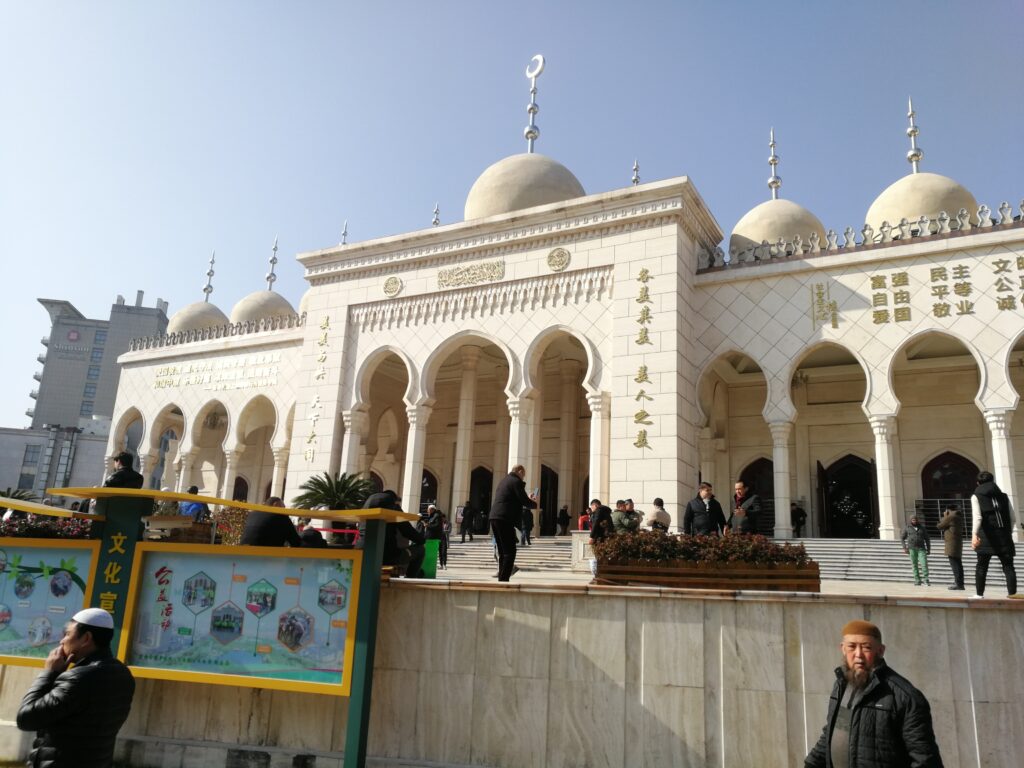
Friday at Yiwu Grand Mosque
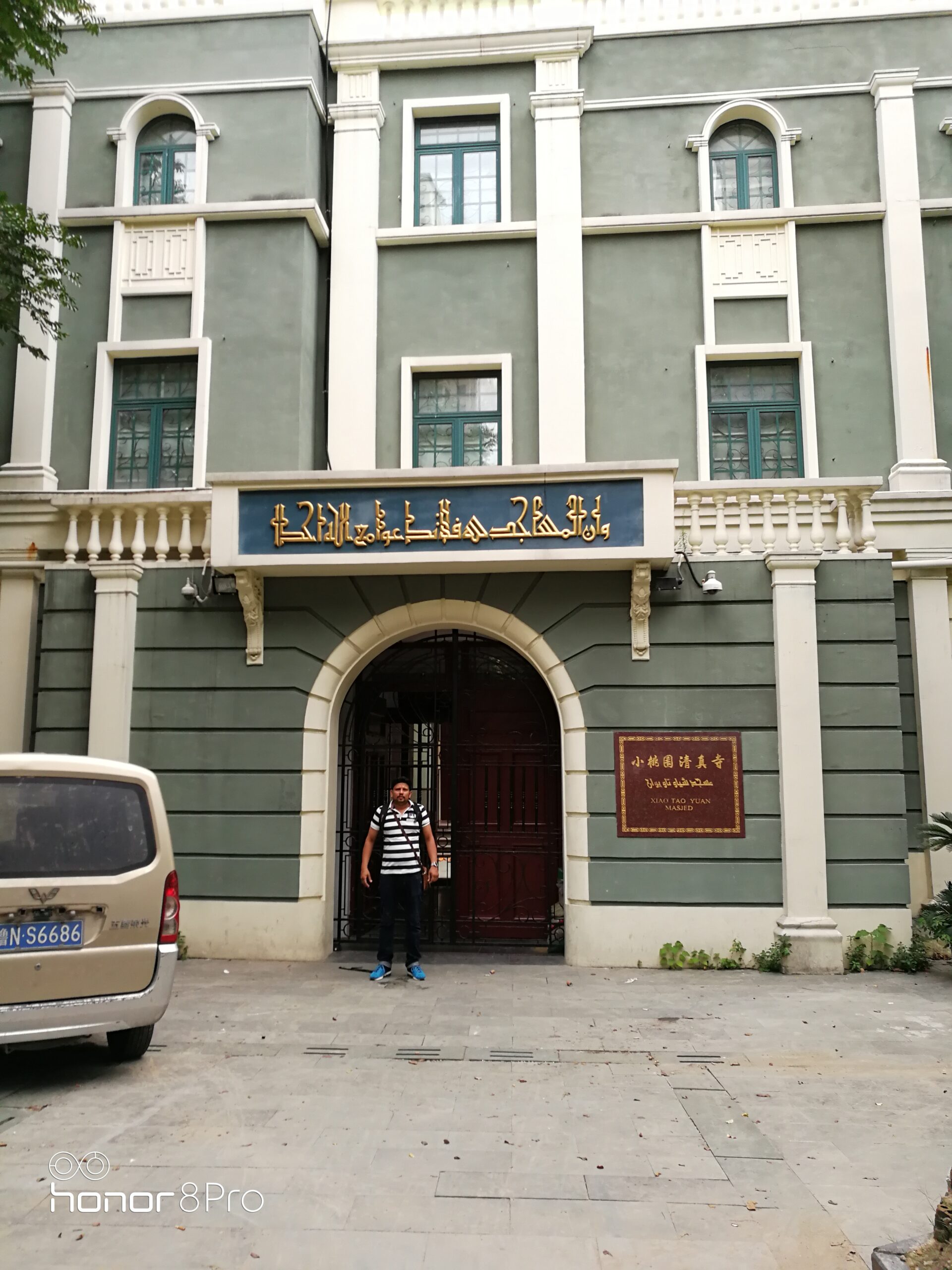
No matter how busy the schedule, Friday prayers at the Yiwu Grand Mosque were a must. Muslims from all over the world — Arabs, Africans, South Asians, and locals — gathered here, creating an atmosphere that was both spiritual and cultural.
🚄 Bullet Train to Ningbo
When business wrapped up, it was time to move on. We boarded a bullet train to Ningbo. The trains in China are fast, smooth, and remarkably punctual. In just a few hours, we were at Ningbo Railway Station, its modern glass façade glowing under the moonlight. Ningbo wasn’t just a stopover — it was our gateway to Vietnam, chosen because flights were cheaper from there.

🇻🇳 Ho Chi Minh City – First Impressions
We landed in Ho Chi Minh City (Saigon) at night. Hungry after a long journey, we went searching for food and stumbled upon an Arabic restaurant near the Walking Street. To our delight, it served the best naan we had ever tasted — soft, fluffy, perfectly charred.
The secret? An Indian chef from Bihar. At reception, a man from Uttar Pradesh shared his heartbreaking story: lured to Vietnam with promises of a high-paying job, he ended up working as a sweeper-cum-receptionist. That dinner left us full, but also thoughtful about the journeys people make in search of opportunity.

🏛️ War Remnants Museum
The next morning, we visited the War Remnants Museum, where the walls spoke of history’s darkest chapters. The photos, artifacts, and displays showed the horrors of the Vietnam War — the weapons, the chemicals like Agent Orange, the destruction.
Yet amid the pain, there was pride: the Vietnamese had won the war. They emerged victorious, though at a cost so heavy it’s hard to measure. Walking out, I felt both humbled and reflective.

To lighten the mood, I tried carrying coconuts the way local vendors do — balancing a bamboo pole with coconuts dangling on either side. It wasn’t easy, but it was fun, and it drew a few amused smiles from people around.

🕌 Masjid Rahmania & City Views
Later, we went to pray at Masjid Rahmania, near Ben Thanh Market. With its cozy prayer hall and welcoming feel, it felt like home away from home.
Afterward, we explored the city, posing by the riverside and finally heading up to the Bitexco Financial Tower. From its observation deck, Saigon stretched out in every direction. The river snaked through the city, skyscrapers sparkled, and the traffic below looked like streams of red and white lights. The view was breathtaking.


That evening, Saigon’s streets turned into a cultural showcase. We saw mannequins dressed in traditional attire cooking over giant pots, part of Tet New Year decorations. Dinner that night was another surprise — Chole Bhatoora in Vietnam. A taste of home that made us smile.


🚍 Cu Chi Tunnels Tour
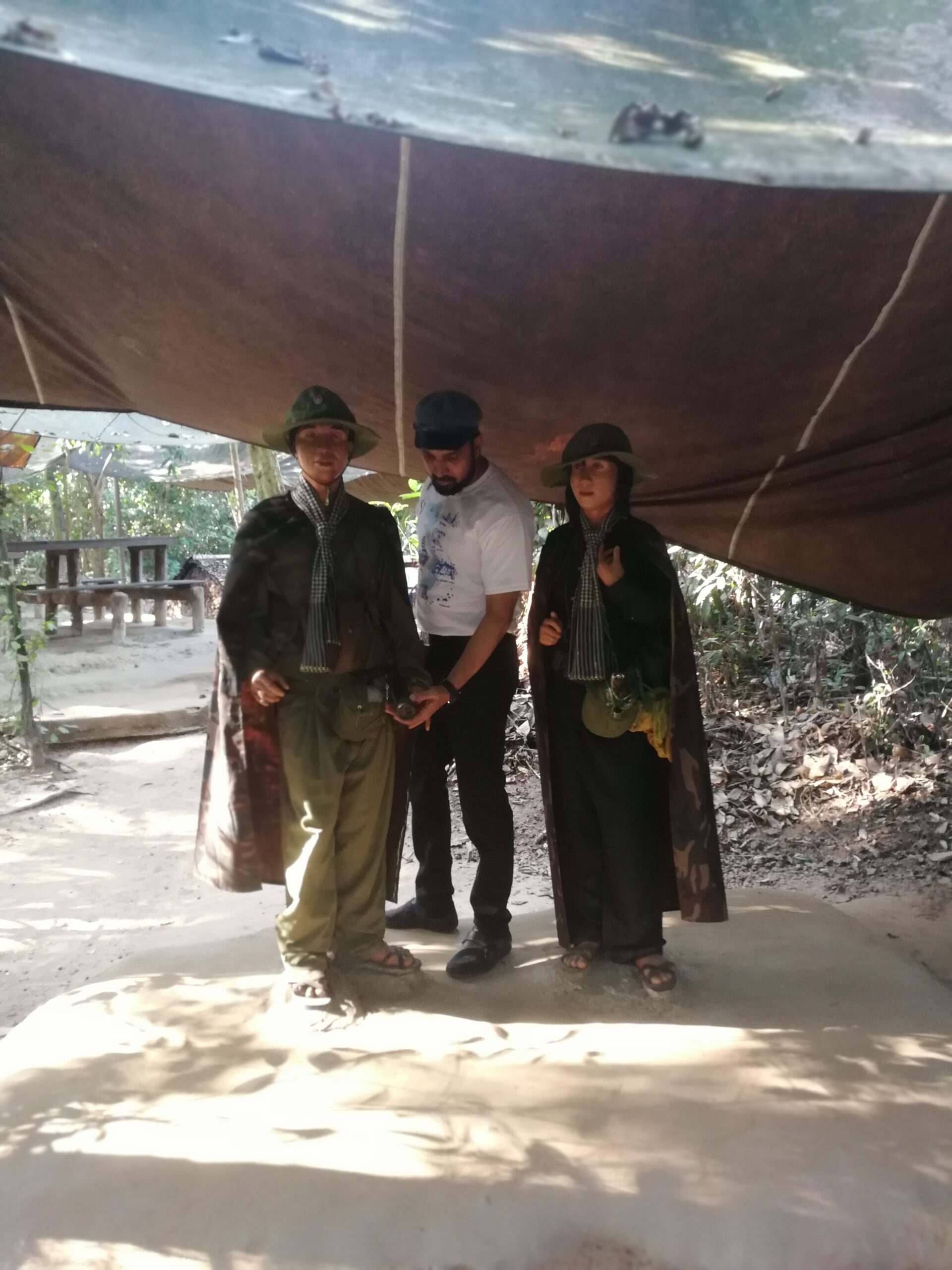
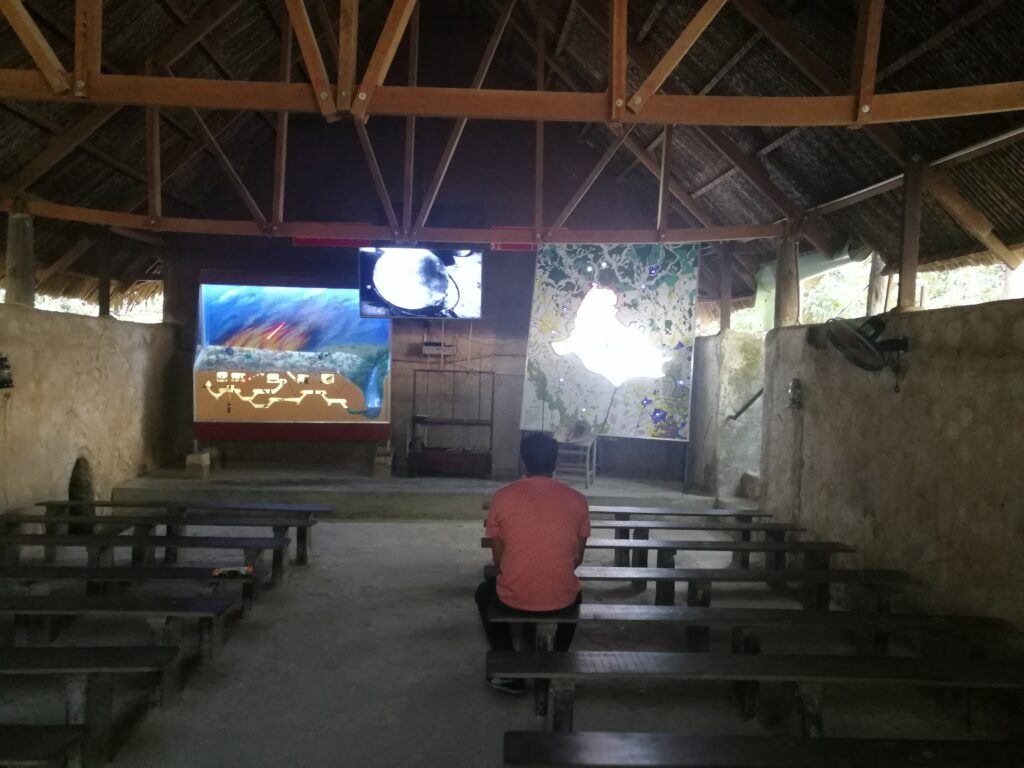
The next day, we joined a guided bus tour to the Cu Chi Tunnels. Here, history came alive underground. Crawling through tight tunnels, peeking into hidden kitchens, seeing bamboo traps and makeshift weapons — it was a living lesson in resilience. The Vietnamese had turned limited resources into ingenious strategies for survival and resistance.




☕ Coffee Susu – Sweet & Funny
Back in the city that night, we tried Coffee Susu near Ben Thanh Market. It was served by a hijab-wearing girl with sharp wit and fluent English. The coffee was strong and creamy — exactly what we needed after a long day.
But what made it unforgettable was the name. In Vietnam, susu means milk, but in India, susu means pee. We couldn’t stop laughing at the coincidence.

🕌 Masjid Al Rahim & Bình Tây Market
On our final day in Saigon, we offered namaaz at the historic Masjid Al Rahim, built in 1885 by Malaysian and Indonesian Muslims. Its elegant design and serene atmosphere were a reminder of how Islam connects communities across borders.
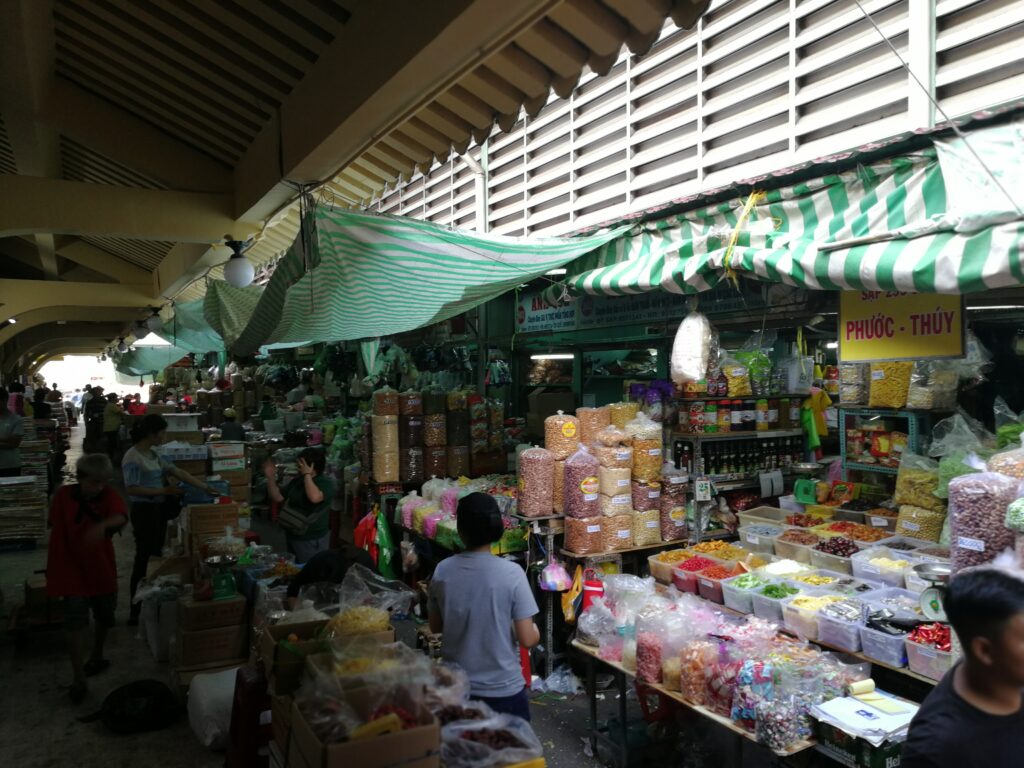
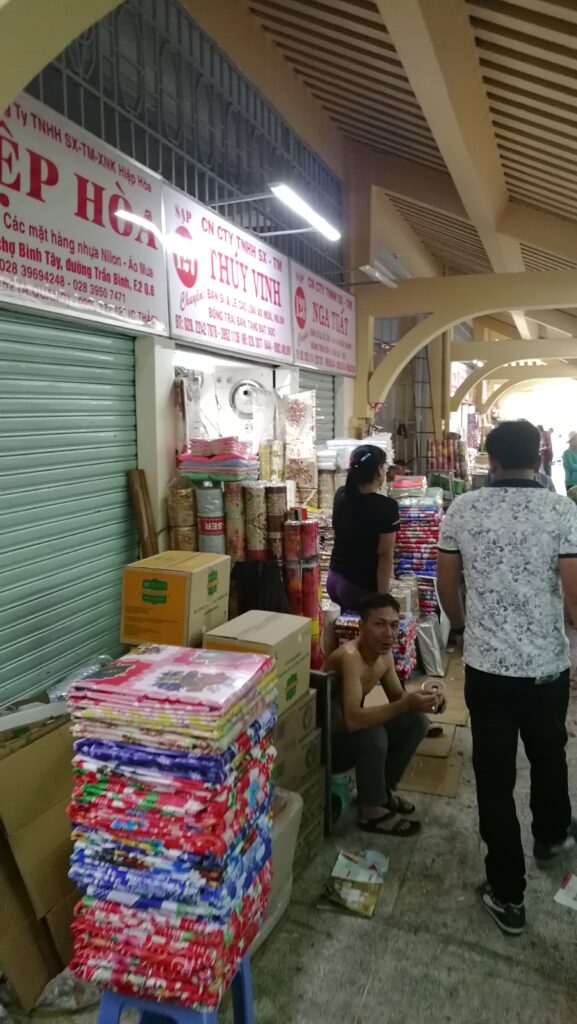
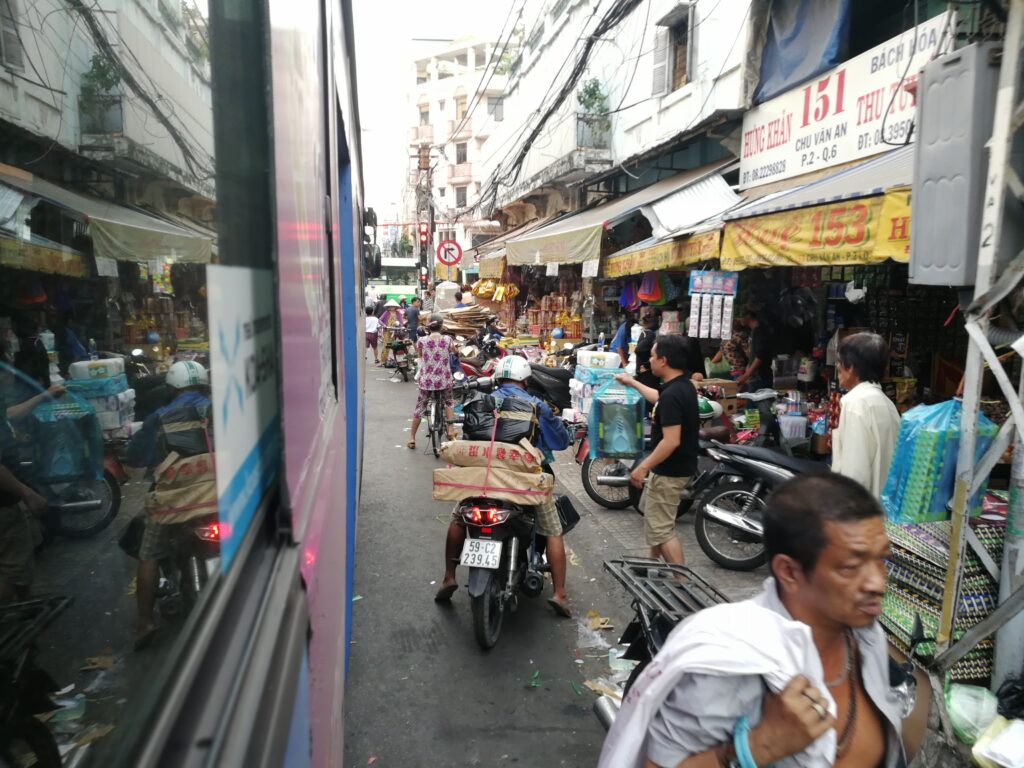
After prayers, we headed to Bình Tây Market — the wholesale heart of Ho Chi Minh City. Inside, the atmosphere was electric. Sellers shouted prices, buyers bargained hard, and motorbikes loaded with goods zipped through. We saw endless rows of fabrics, spices, dried mushrooms, and household items. For a business traveler, it was a paradise.





🛬 Returning Home – Alhamdulillah
Finally, it was time to return. Our route: Ho Chi Minh → Kolkata → Lucknow. As the plane touched down in Lucknow, I felt a wave of gratitude.
Alhamdulillah for the safe journey, the lessons learned, the successful business, and the countless memories made. Home had never felt sweeter.
🌟 Conclusion
This trip wasn’t just about trade or sightseeing. It was about learning history in Vietnam, finding faith in China, sharing stories with strangers, and laughing at cultural quirks like Coffee Susu.
From Lucknow to Singapore, Shenzhen to Yiwu, Ningbo to Saigon, and back home — every step was special.
Travel doesn’t just make us richer in business; it makes us richer in life.